How Talent Growth Analysis Boosts Employee Engagement?
Imagine driving for hours without a map, signboards, or even a sense of the distance covered. You might start out enthusiastic, maybe even enjoy the ride. But after a while, the question creeps in: Am I actually getting anywhere? That’s what disengagement often feels like at work. Employees aren’t necessarily unhappy or unmotivated; either they’re busy or they’re contributing. But they can’t see progress, and when progress is invisible, engagement slowly fades. This is where Talent Growth Analysis begins to matter. Not as a reporting tool, but as a way to make movement visible again.
Why Engagement Initiatives Often Fail?
Most organisations try to fix engagement by measuring sentiment. Surveys are conducted, scores are tracked, and action plans are announced. Yet engagement levels often remain stubbornly unchanged. That pattern may suggest the problem isn’t how employees feel, it’s whether they can see themselves growing. When work starts to feel repetitive or disconnected from future opportunities, motivation drops, even in otherwise healthy teams.
People don’t need constant promotions but momentum. Growth rarely arrives as a single, dramatic leap. More often, it shows up quietly in increased responsibility, in new skills being applied, or in the ability to handle more complex problems with confidence.
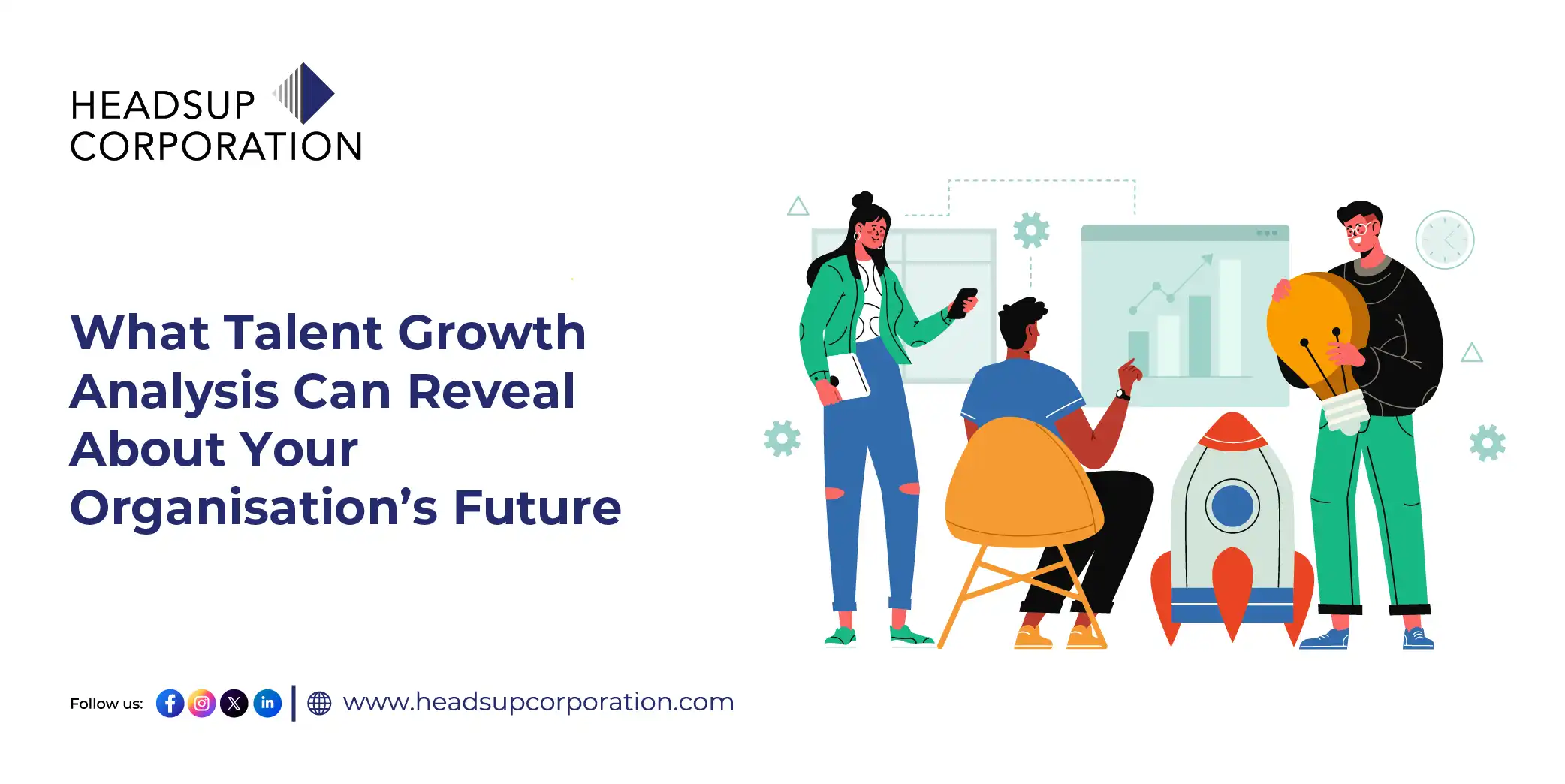
Talent Growth Analysis focuses on these signals. It looks at how skills evolve over time, how feedback patterns shift, and whether learning translates into real changes in work. When organisations track these patterns, growth stops being a vague promise and starts becoming visible.
How Growth Visibility Changes Conversations?
When managers have insight into growth patterns, conversations naturally improve. Feedback becomes more specific. Development discussions move beyond “you’re doing well” to why someone is progressing and what they’re ready for next. It also helps surface effort that often goes unnoticed, the employee who isn’t loud but is steadily building capability, or the team member who has taken on more complexity without a formal title change. Recognition of this kind tends to deepen engagement far more than generic praise.
Growth analysis loses its value when it stays locked inside dashboards. Numbers alone don’t tell the full story. A flat growth pattern might reflect misalignment, limited opportunity, or even burnout. Without context, data can feel impersonal or worse, misleading. Growth insights work best when they lead to action: role enrichment, learning pathways, or honest conversations about what’s next.
The Headsup Approach
At Headsup, we approach Talent Growth Analysis as a practical bridge between engagement intent and everyday experience. We help organisations connect performance trends, learning activity, feedback signals, and role movement to understand how employees are actually progressing, not just how they’re rated.
More importantly, we work closely with managers to interpret these insights and use them in real conversations about growth, readiness, and direction. When employees can see that their development is being noticed and guided, engagement tends to follow naturally without needing constant interventions. Engagement doesn’t improve because people are told to care more. It improves when work feels directional, growth feels real, and progress is visible. Talent Growth Analysis doesn’t replace human connection, but it gives organisations the clarity needed to strengthen it.